
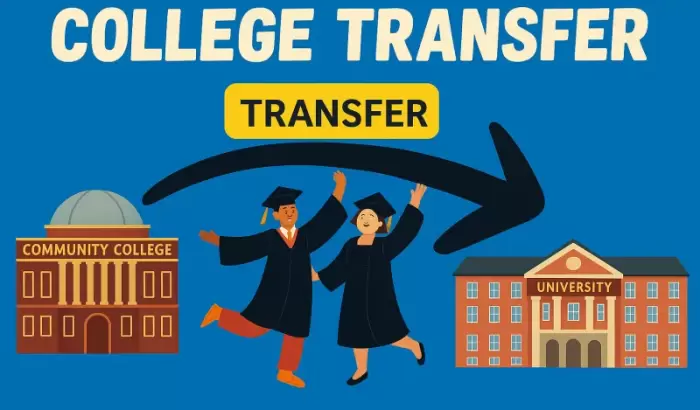
For many students, beginning higher education at a community college is a practical and affordable decision. Community colleges provide flexible schedules, smaller class sizes, and significantly lower tuition costs compared to many universities. They also offer students the opportunity to improve their academic performance, explore different career paths, and complete general education requirements before moving to a bachelor's degree program.
A successful community college transfer can open the door to top universities while helping students save thousands of dollars in tuition. However, transferring is not simply about completing classes and submitting an application. It requires careful planning, understanding transfer requirements, and selecting courses that will count toward your intended degree.
This guide explains everything students need to know about transferring from a community college to a four year university, including planning strategies, common challenges, and practical tips to ensure a smooth transition.
Why Students Choose Community College First
There are many reasons why students begin their educational journey at a community college before transferring to a university.
Some of the biggest advantages include:
-
Lower tuition costs
-
Flexible class schedules
-
Smaller classroom environments
-
Easier access to academic support
-
Opportunity to improve GPA
-
Ability to stay close to home
-
More time to decide on a major
These benefits allow students to build a strong academic foundation while reducing financial stress.
Understanding the Community College Transfer Process
The transfer process involves moving earned college credits from a community college to a four year institution. While the concept sounds straightforward, every university has different admission standards and transfer credit policies.
Planning your community college transfer early can prevent unnecessary delays and help ensure your completed coursework counts toward your future degree.
Students should begin researching universities during their first year of community college instead of waiting until graduation.
Start Planning Early
Early preparation is one of the biggest factors in a successful transfer.
Students should consider:
-
Their intended major
-
Target universities
-
Required prerequisite courses
-
Minimum GPA requirements
-
Application deadlines
-
Financial aid opportunities
Meeting regularly with an academic advisor can help keep your educational plan on track.
Choose Courses Carefully
Not every course offered at a community college will transfer to every university.
Before registering for classes, students should verify that each course satisfies university requirements.
Many colleges have transfer agreements or course equivalency databases that show exactly how credits transfer between institutions.
Choosing the right courses from the beginning saves both time and money.
Research Transfer Agreements
Many states have articulation agreements between community colleges and public universities.
These agreements often guarantee that certain credits will transfer successfully if students complete specific academic requirements.
Some agreements even provide guaranteed admission for students who meet GPA and coursework standards.
Researching these programs early can make the transfer process much easier.
Maintain a Strong GPA
Grades matter throughout the transfer process.
Competitive universities often place significant emphasis on cumulative GPA, especially for students applying to selective programs such as business, engineering, nursing, or computer science.
Ways to improve academic performance include:
-
Attending every class
-
Participating in study groups
-
Visiting professors during office hours
-
Using tutoring centers
-
Managing time effectively
A strong GPA increases admission opportunities and may also qualify students for transfer scholarships.
Meet with Academic Advisors Regularly
Academic advisors understand transfer requirements and can help students avoid costly mistakes.
Regular advising appointments can help students:
-
Select transferable courses
-
Stay on track for graduation
-
Meet university prerequisites
-
Understand application timelines
-
Explore scholarship opportunities
Students who actively seek academic guidance often experience a smoother transition.
Build a Strong Transfer Application
Universities evaluate more than grades alone.
A competitive transfer application may include:
Personal Statement
Explain why you chose your intended major, your educational goals, and why the university is the right fit.
Letters of Recommendation
Recommendations from instructors who know your academic abilities can strengthen your application.
Extracurricular Activities
Leadership positions, volunteer work, internships, and campus involvement demonstrate commitment beyond academics.
Resume
A professional resume highlighting work experience, achievements, and leadership roles can further support your application.
Financial Benefits of Transferring
One of the biggest reasons students pursue a community college transfer is affordability.
Students often complete the first two years of college at a significantly lower cost before paying university tuition for their remaining coursework.
Potential financial benefits include:
-
Lower student loan debt
-
Reduced tuition expenses
-
Access to transfer scholarships
-
Lower housing costs when studying locally
-
More financial flexibility
Saving money early allows many students to graduate with less debt while earning the same bachelor's degree.
Common Challenges During Transfer
Although transferring offers many advantages, students may face several obstacles.
Credit Loss
Some courses may not transfer toward degree requirements, even if they count as elective credits.
Careful planning helps minimize this issue.
Different Graduation Requirements
Universities may have additional graduation requirements beyond transferred coursework.
Students should review degree plans carefully after admission.
Competitive Admissions
Popular majors may have higher GPA requirements and limited enrollment.
Preparing early increases acceptance chances.
Campus Adjustment
Moving to a larger university often means adapting to new professors, classmates, academic expectations, and campus culture.
Participating in orientation programs can make the transition easier.
How Technology Simplifies the Transfer Journey
Today, students have access to numerous online tools that simplify planning.
Modern transfer platforms help students:
-
Compare universities
-
Evaluate transferable credits
-
Track application deadlines
-
Organize academic records
-
Understand degree pathways
Using reliable planning resources throughout the community college transfer process allows students to make informed decisions while avoiding unnecessary coursework. Students looking for organized transfer planning resources can explore services like community college transfer to better understand transfer pathways and prepare for a successful move to a four year university.
Questions to Ask Before Choosing a University
Before submitting applications, students should ask several important questions.
Does the University Accept My Credits?
Review official transfer policies and course equivalency guides.
Is My Major Available?
Not every campus offers every academic program.
Confirm that your intended major is available before applying.
What Scholarships Are Available?
Many universities offer scholarships specifically for transfer students.
Research these opportunities early because deadlines may arrive before admission decisions.
What Student Support Services Exist?
Look for:
-
Academic advising
-
Career services
-
Tutoring centers
-
Internship opportunities
-
Student organizations
Strong support services contribute to long term academic success.
Tips for a Smooth Transition
Students who prepare carefully often adapt more quickly after transferring.
Helpful strategies include:
-
Apply before deadlines.
-
Keep copies of transcripts and course syllabi.
-
Attend transfer orientation.
-
Connect with future classmates.
-
Meet academic advisors immediately after enrollment.
-
Join campus organizations.
-
Create a realistic academic schedule.
-
Stay organized throughout the semester.
These simple habits can reduce stress while helping students adjust to university life.
Life After Transfer
Transferring is more than simply changing campuses. It represents the next stage of academic and personal growth.
Many transfer students discover new research opportunities, internships, leadership experiences, and networking connections that prepare them for successful careers.
Employers generally focus on the bachelor's degree earned rather than where students completed their first two years of college. This means students can enjoy significant financial savings without sacrificing career opportunities.
Building relationships with professors, participating in student organizations, and taking advantage of career development resources can maximize the university experience after transferring.
Final Thoughts
Starting at a community college is a smart educational choice for many students seeking flexibility, affordability, and academic growth. With careful planning, strong academic performance, and early research, transferring to a four year university can be a seamless and rewarding experience.
Whether your goal is reducing educational costs, improving your academic record, or preparing for a specialized career, a well planned community college transfer provides a clear pathway toward earning a bachelor's degree. By understanding transfer requirements, selecting transferable courses, and using trusted planning resources, students can confidently navigate every stage of the process and build a strong foundation for long term academic and professional success.